
IPTV Price Comparison: Best Plans & Value Guide 2026
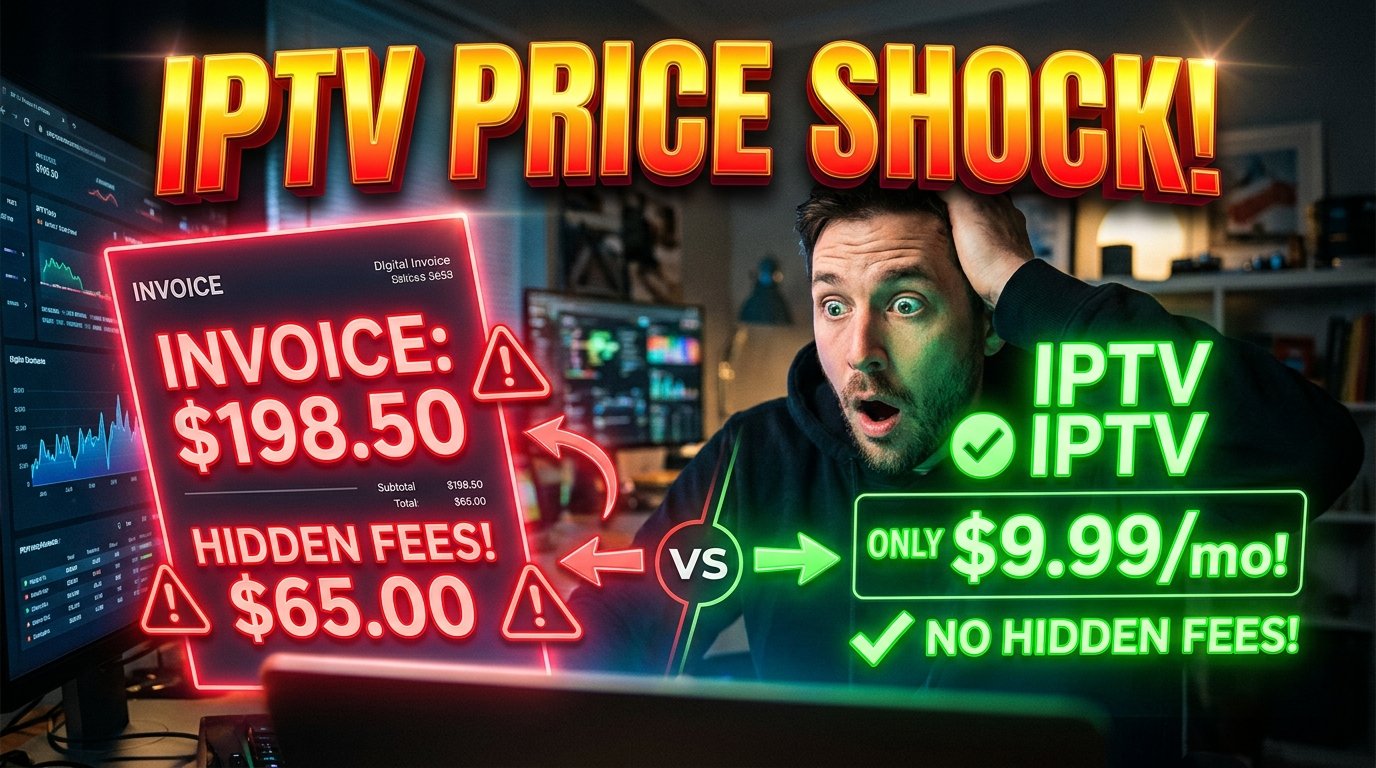
Evaluating monthly expenses requires a clear understanding of what different packages include. IPTV price comparison metrics go beyond basic sticker prices, factoring in connection limits, device compatibility, and contract duration. Subscribers often encounter varying cost structures, making a transparent analysis essential for identifying true long-term value. Xtreme HD IPTV provides structured pricing models designed to accommodate diverse household streaming requirements without unexpected surcharges.
Table of Contents
Understanding Base Tiers and Monthly vs. Annual Billing Models
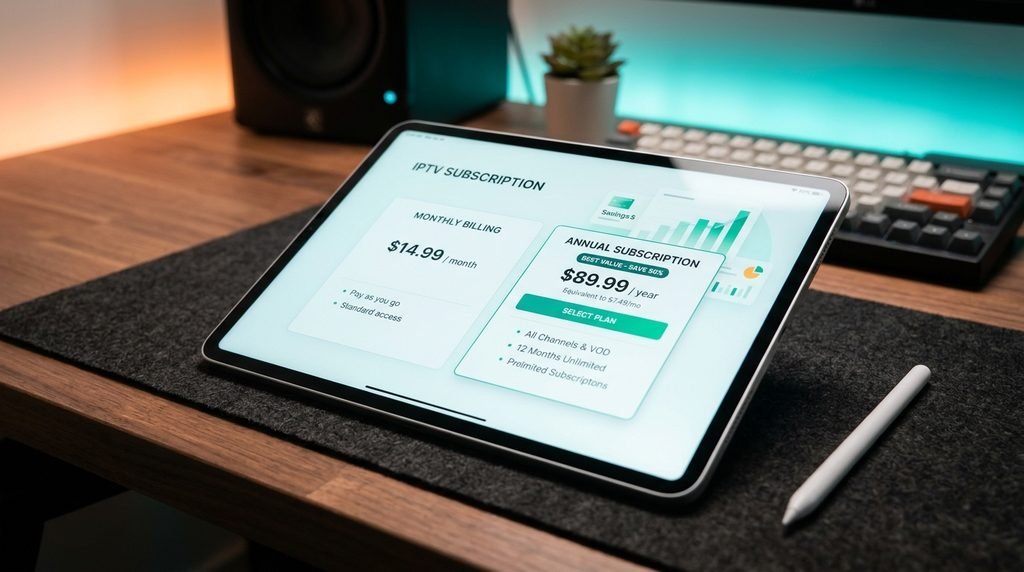
Streaming service costs fluctuate significantly depending on whether users select monthly recurring billing or commit to multi-month packages. Examining base subscription tiers reveals how upfront commitments yield lower monthly averages across providers. Monthly billing provides flexibility for new users testing service stability, whereas annual plans substantially reduce overall expenditures. According to industry reports from tech analysts at CNN, digital subscription models increasingly favor long-term commitments through discounted pricing tiers.
Monthly subscriptions typically range from fifteen to twenty-five dollars, while annual packages often compress the monthly equivalent down to five or eight dollars. Selecting an annual plan requires evaluating provider reliability and uptime stability before committing funds. Service providers offering flexible trial periods allow consumers to verify stream quality prior to purchasing long-term agreements. Examining billing transparency ensures that auto-renewal policies are clearly communicated before payment execution.
Evaluating Multi-Screen Limits and Connection Economics
Connection limits directly influence household subscription costs by determining how many devices can stream simultaneously. Basic packages generally restrict usage to a single active screen, forcing families to purchase higher tiers or separate accounts. Multi-screen options aggregate household entertainment expenses into a single bill, lowering the per-device cost for multi-user environments. Xtreme HD IPTV offers multi-screen configurations that support simultaneous streams across living room displays and mobile devices without performance degradation.
When evaluating multi-screen economics, consider the hardware distribution across your home network. A single subscription supporting three to five concurrent connections eliminates the need for redundant accounts on secondary bedroom televisions. Households must verify whether concurrent connection limits apply to separate IP addresses or a single home network. Reviewing these technical parameters prevents unexpected stream termination during peak viewing hours.
How Device Compatibility and Hardware Requirements Influence Total Cost
Hardware investments play a crucial role in overall streaming expenditures, as older televisions require external adapters to run modern IPTV applications. Investing in capable streaming hardware ensures seamless navigation and prevents playback stutter during live sports broadcasts. Industry guidelines published by Microsoft emphasize the importance of hardware acceleration for smooth multimedia decoding. Consumers should assess their existing inventory of streaming devices before committing to a long-term service plan.
Smart TV operating systems vary in processing power, with webOS and Tizen handling media playback differently than dedicated Android TV hardware. Purchasing external media sticks or boxes often provides a superior user interface and broader app compatibility. Evaluating these hardware prerequisites ensures that subscription investments are fully utilized by capable processing equipment.
Smart TV App Integration vs. Dedicated Streaming Boxes
Smart TV native applications eliminate the need for external hardware purchases, streamlining setup procedures for casual viewers. However, built-in television processors frequently lack the memory required to maintain stable buffering during high-bitrate 4K broadcasts. Dedicated streaming hardware offers robust processing capabilities and frequent software updates, ensuring long-term compatibility with advanced electronic program guides.
Using dedicated media players also simplifies troubleshooting when encountering network latency or application freezes. External devices allow users to switch between different streaming applications quickly without experiencing interface lag. Factoring hardware replacement cycles into your budgeting decisions provides a realistic picture of total entertainment expenditure.
VPN Requirements and Extra Software Expenses
Network security considerations often lead users to investigate virtual private network services to encrypt internet traffic. While many modern streaming services operate efficiently on standard broadband connections without specialized routing, specific regional restrictions may require encrypted tunnels. Technical resources provided by Amazon outline various networking tools designed to optimize streaming performance across diverse ISP infrastructures. Evaluating whether an independent network encryptor is necessary helps prevent redundant software expenses.
Selecting a provider with optimized global server routes minimizes the necessity of purchasing third-party routing tools. Users should verify whether their chosen provider implements robust transport security natively within their server architecture. Reviewing these technical specifications safeguards both personal privacy and household entertainment budgets.
Hidden Fees, Payment Methods, and Long-Term Value Assessment

Transparent financial policies protect consumers from unexpected charges that frequently inflate advertised subscription rates. A thorough IPTV price comparison must account for payment gateway surcharges, currency conversion fees, and automatic renewal rate increases. Analyzing these financial variables reveals the true cost of maintaining an uninterrupted entertainment feed over a twelve-month period.
Payment flexibility remains a critical indicator of provider legitimacy and customer-centric business practices. Secure transaction channels protect financial data while ensuring immediate account activation upon payment confirmation.
Payment Gateways, Cryptocurrencies, and Transaction Surcharges
Modern digital service providers support diverse transaction methods ranging from major credit cards to alternative digital currencies. Credit card processors may levy international transaction fees if the billing entity operates outside domestic jurisdictions. Utilizing secure payment aggregators or alternative assets helps bypass traditional banking restrictions while maintaining transaction privacy.
When evaluating payment terms, consumers should verify whether recurring billing agreements are established automatically during checkout. Reviewing cancellation policies ensures that users retain full control over their subscription status without encountering unauthorized renewal charges.
Renewal Rates, Promotional Discounts, and Hidden Renewal Traps
Initial promotional pricing often transitions into significantly higher standard rates upon subscription expiration. Careful buyers examine renewal terms closely to avoid unexpected price surges after the initial discount period concludes. Providers that maintain transparent pricing structures across both initial sign-ups and subsequent renewals foster long-term customer trust.
Keeping track of billing cycle milestones allows subscribers to evaluate alternative plans or negotiate renewal discounts proactively. Transparency in renewal pricing remains a hallmark of reliable digital media service providers.
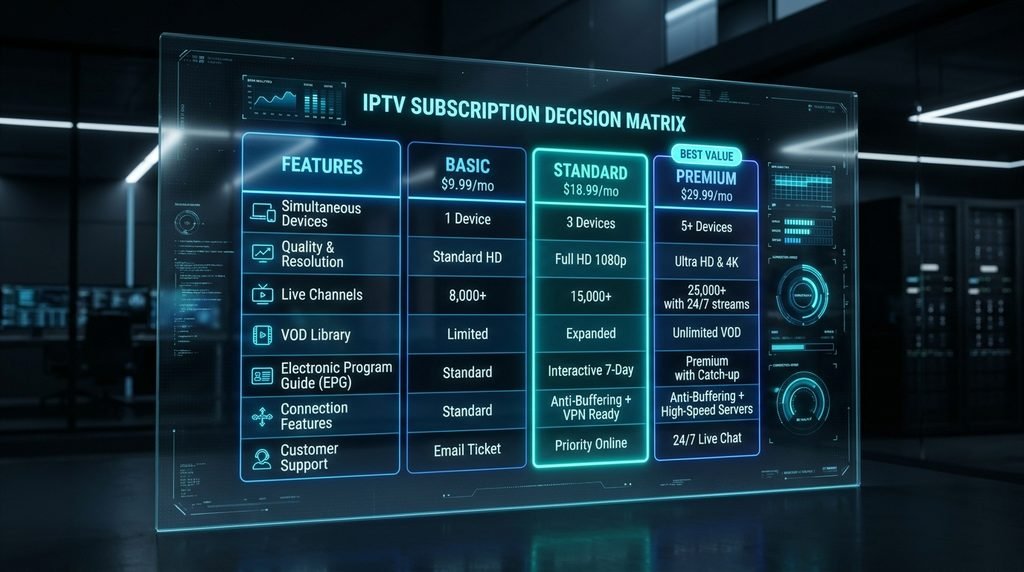
Transparent IPTV Price Comparison Framework and Decision Matrix
| Plan Tier | Monthly Cost Equivalent | Concurrent Connections | Resolution Support | Ideal Household Size |
| Basic Single | $10 – $15 / mo | 1 Connection | HD / 1080p | Single Viewer / Mobile User |
| Standard Multi | $15 – $25 / mo | 2 – 3 Connections | 4K / HD Mixed | Couples / Small Households |
| Premium Family | $25 – $40 / mo | 4 – 5 Connections | Full 4K HDR | Large Families / Multi-Room Setup |
This decision matrix evaluates subscription tiers based on cost efficiency, connection volume, and stream resolution capabilities. Selecting the appropriate tier depends on household viewing habits and the number of active displays operating simultaneously.
Selecting the Right Subscription Model for Your Household
Balancing upfront financial commitment with long-term entertainment needs requires a systematic approach to subscription selection. Short-term monthly plans offer flexibility for testing service reliability during major sporting events or seasonal viewing peaks. Long-term annual commitments deliver substantial cost savings for households seeking stable, uninterrupted entertainment feeds.
Aligning your hardware capabilities with the appropriate subscription tier ensures optimal playback performance across all connected displays. Reviewing provider features, connection limits, and billing transparency empowers consumers to make informed purchasing decisions.
Review the available subscription options on the Xtreme HD IPTV Pricing Plans page to match your household connection requirements and budget.