
Complete Guide to Choosing the Best TV Packages & Plans

Modern television packages combine live television channels, sports broadcasts, and extensive video-on-demand libraries into flexible, internet-delivered streaming plans. Services like Xtreme HD IPTV provide streamlined access across multiple devices without requiring traditional cable contracts or bulky set-top hardware. Choosing the right plan requires understanding how digital media distribution has transformed home entertainment.
Table of Contents
1. Understanding Modern TV Packages and Streaming Services
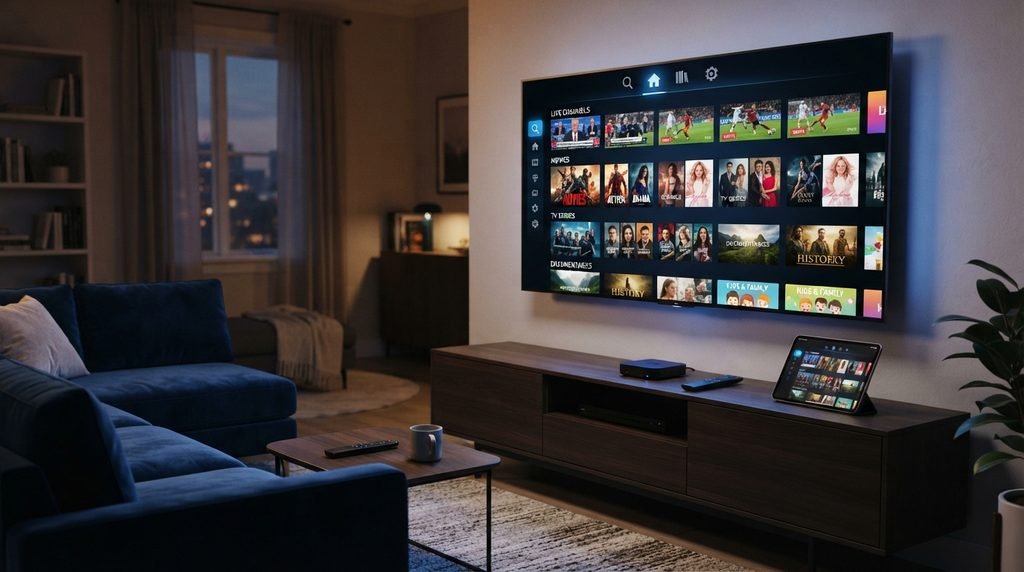
Modern television consumption has shifted dramatically from traditional coaxial cables to internet protocol distribution. Viewers now expect instant access to global channels, pay-per-view events, and on-demand libraries through unified subscription plans. Major technology ecosystems, such as those discussed on Amazon Fire TV, have normalized app-based streaming as the primary delivery mechanism for home media.
Evolution of television delivery
Early television relied entirely on analog terrestrial antennas before transitioning to digital cable networks and satellite dishes. These legacy systems required dedicated physical infrastructure and restrictive hardware rentals installed by technicians. Today’s digital distribution bypasses physical cables by transmitting compressed video streams directly over standard broadband internet connections.
Core components of modern bundles
Contemporary streaming solutions bundle thousands of international channels, local broadcasts, and movie libraries into a single digital interface. Users no longer need separate subscriptions for premium sports networks, news feeds, and entertainment channels. This consolidation simplifies user navigation and significantly reduces monthly recurring entertainment expenses.
2. Key Selection Criteria for Choosing the Right TV Package
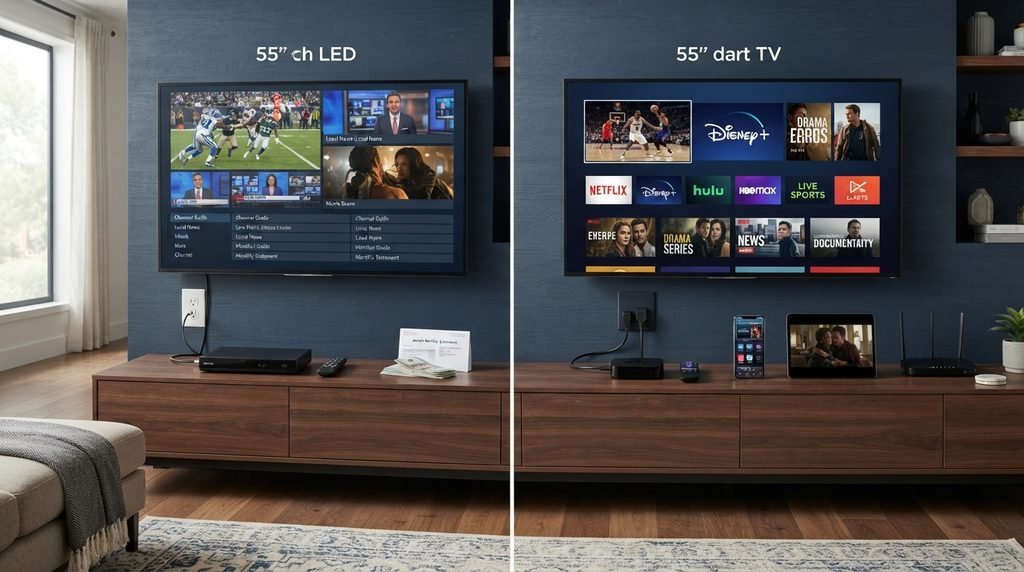
Selecting the right TV package requires evaluating specific technical and entertainment metrics rather than relying solely on raw channel counts. Buyers must examine stream stability, server uptime, and supported device ecosystems to ensure a seamless daily viewing experience. For optimal performance across desktop operating systems, users often consult guides provided by Microsoft Windows regarding hardware acceleration and network optimization.
Channel diversity and live sports
A comprehensive entertainment plan must offer reliable access to live sporting events, breaking news networks, and premium movie channels. Viewers should verify whether regional sports networks and international feeds are included without hidden surcharges. High-definition and 4K broadcast availability remain essential benchmarks for modern visual quality.
Multi-device compatibility and connections
Household viewing habits involve multiple screens ranging from smart TVs and tablets to smartphones and streaming sticks. A versatile subscription must support simultaneous connections so different family members can watch independent streams on separate devices. Platform compatibility with popular applications like IPTV Smarters or TiviMate ensures effortless setup.
3. Comparing IPTV Flexibility With Traditional Cable Bundles
Traditional cable providers lock households into rigid multi-year agreements and expensive equipment rental fees. In contrast, modern streaming architectures utilized by platforms like Xtreme HD IPTV offer contract-free flexibility and instant activation across smart devices. Global internet infrastructure developments, frequently analyzed by major outlets like CNN, highlight how cord-cutting continues to accelerate worldwide.
Cost efficiency and contract freedom
Legacy cable bills often feature escalating promotional rates, broadcast surcharges, and mandatory receiver box rentals that inflate monthly costs. Modern streaming subscriptions operate on transparent, month-to-month or annual billing models with zero equipment fees. This financial predictability allows consumers to adjust or cancel services whenever their viewing preferences change.
Technical requirements and bandwidth
Transitioning to internet-based television requires stable broadband connectivity capable of handling high-bitrate video streams. Recommended download speeds typically start at 25 Mbps for standard high-definition viewing and exceed 50 Mbps for multi-screen 4K households. Utilizing wired Ethernet connections or robust dual-band Wi-Fi routers prevents buffering during peak evening hours.
Comparative TV Package Evaluation Matrix
| Feature / Metric | Traditional Cable Bundles | Standard Streaming Apps | Xtreme HD IPTV Plans |
| Contract Terms | 12 to 24-month commitments | Monthly auto-renewal | Flexible short and long plans |
| Hardware Required | Proprietary cable box rentals | Smart TV or streaming stick | Universal IPTV player apps |
| Channel Selection | Rigid tiers with extra fees | Limited to single networks | Extensive global channel lineup |
| Simultaneous Streams | Restricted by receiver count | Varies by app tier (1–4) | Multi-connection capability |
4. Frequently Asked Questions About TV Packages

What makes a good TV package?
A quality TV package balances robust channel diversity, reliable live sports coverage, high-definition streaming quality, and transparent pricing without hidden contracts or equipment rental fees.
How do multiple simultaneous connections work?
Simultaneous connections allow multiple devices within a single household to stream different channels or movies independently using the same active subscription login credentials.
Do I need special hardware to watch IPTV?
No specialized hardware is required beyond a standard internet-connected device, such as a smart TV, streaming stick, tablet, or computer running compatible media player software.
Are local news channels included in streaming plans?
Many modern IPTV plans include major network affiliates and local news broadcasts, though availability can vary depending on regional broadcasting rights and server updates.
Can I use my subscription while traveling?
Yes, internet-based television services are portable, allowing users to access their channel lineups and video libraries from any location with a stable broadband connection.
Editorial Trust and Methodology This guide was produced by the Xtreme HD IPTV editorial team to help consumers evaluate modern entertainment options. Our analysis is based on verified technical standards, industry observation of digital streaming protocols, and documented device compatibility metrics. We maintain editorial independence and do not accept payment for favorable service rankings. Last updated: October 2026.
Next step: Explore our detailed device setup guides to configure your preferred media player application for seamless streaming.