
IPTV Service With 99.9 Uptime: 9 Smart Checks for 2026
Streaming entertainment has largely replaced traditional cable, but reliability remains the single most important factor for viewers. When evaluating a high-performance streaming platform, finding an IPTV service with 99.9 uptime is essential for uninterrupted live sports, news, and on-demand viewing. Without consistent uptime, viewers frequently experience frustrating mid-stream buffering, frozen frames, and sudden disconnects during high-traffic broadcast events.
Viewers seeking dependable performance rely on Xtreme HD IPTV to deliver stable connectivity, robust server infrastructure, and high-definition video feeds. Achieving a 99.9% uptime metric requires advanced server redundancy, strategic Content Delivery Network (CDN) routing, and optimized bandwidth distribution. This guide explores the technical foundations of high-uptime streaming, evaluates critical performance factors, and offers practical steps to maximize your home entertainment setup.
Table of Contents
What Defines an IPTV Service With 99.9 Uptime?
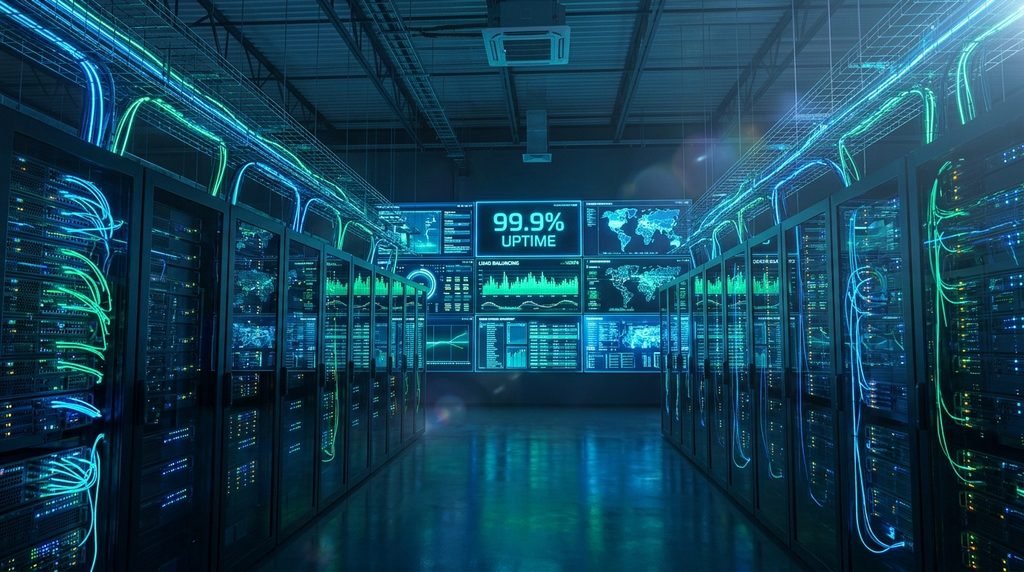
An IPTV service with 99.9 uptime guarantees that streaming infrastructure remains operational and accessible 99.9% of the time, translating to minimal downtime over any given period. Behind this numerical benchmark lies a complex network of load-balanced data centers, redundant server paths, and automated failover systems that reroute data instantly if a primary node experiences interference.
Core Server Redundancy and Load Balancing
Enterprise-grade streaming relies heavily on server redundancy to prevent single points of failure. When thousands of users tune into a live national sporting event simultaneously, incoming traffic demands skyrocket. According to CNN technology reporting on digital infrastructure, scalable cloud and server architectures distribute workloads dynamically to prevent server crashes. An IPTV service with 99.9 uptime deploys multiple synchronized servers so that if one data node faces latency spikes, traffic is automatically balanced across alternative servers without interrupting the viewer’s stream.
Content Delivery Network (CDN) Architecture
Geographic proximity to data servers directly affects streaming latency and video startup times. CDNs cache content across numerous global data centers, allowing users to pull video streams from the nearest physical server node. This localized delivery minimizes packet loss and jitter. When Xtreme HD IPTV routes video feeds through optimized CDN partnerships, viewers experience faster channel loading times and smoother high-definition playback regardless of their regional location.
Real-World Impact on Daily Entertainment
In practical terms, 99.9% uptime means fewer than nine hours of unscheduled yearly downtime across an entire network, and daily operations remain virtually seamless. For households cutting the cord, this reliability eliminates the frustration of missed live broadcasts. Whether streaming a Sunday afternoon NFL game via Amazon Fire TV streaming hardware or catching evening news broadcasts, consistent uptime ensures picture quality remains crisp and audio stays synchronized with video feeds.
Key Factors Influencing Streaming Stability and Reliability
While provider-side infrastructure dictates baseline reliability, local network conditions and device configurations play an equally vital role in maintaining an uninterrupted streaming experience. Identifying potential bottlenecks helps households optimize their digital environments for peak performance.
Internet Bandwidth and Local ISP Throttling
Stable streaming requires adequate download speeds, typically recommending at least 25 to 50 Mbps for consistent 4K and high-framerate HD content. However, raw bandwidth speed tests do not tell the whole story. Some Internet Service Providers (ISPs) implement traffic shaping or throttling during peak evening hours when network congestion peaks. Understanding how local network congestion impacts video delivery is crucial for maintaining an IPTV service with 99.9 uptime in your living room.
Hardware Processing Power and App Optimization
Streaming devices require sufficient RAM and modern processor chips to decode high-bitrate video streams efficiently. Older streaming sticks or outdated smart TV operating systems may struggle with hardware decoding, leading to dropped frames even when the internet connection is robust. Utilizing modern media players ensures that incoming video streams are processed smoothly without overheating or application crashes.
Connection Protocols and Encrypted Gateways
Modern streaming applications utilize advanced transport protocols—such as HLS and DASH—to adapt video quality dynamically based on fluctuating network speeds. These protocols break video feeds into small, manageable chunks, ensuring playback continues smoothly even during minor network hiccups. Furthermore, secure connection gateways protect user data streams from external interference, contributing to a safer and more stable viewing environment.
How to Evaluate and Maintain Peak Streaming Performance
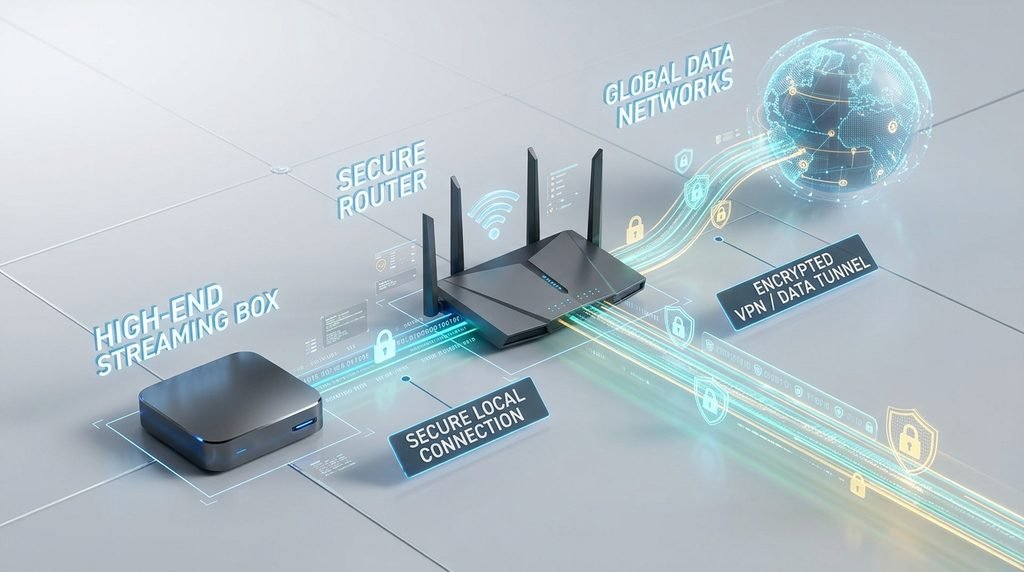
Maintaining a flawless streaming setup involves proactive network management and proper device configuration. By following systematic optimization steps, users can eliminate localized bottlenecks and get the most out of their subscription.
Testing Connection Speed and Network Latency
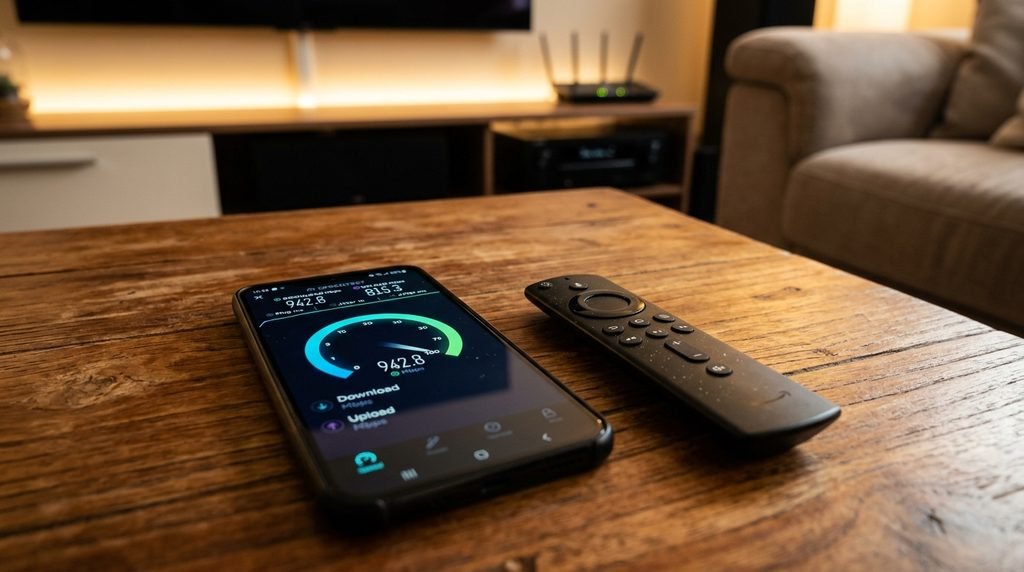
Before troubleshooting streaming apps, run diagnostic tests on your home network to measure actual throughput and ping latency. High ping times or packet loss indicate Wi-Fi interference or congested router channels. Connecting streaming devices via Ethernet cables or switching routers to less congested 5 GHz Wi-Fi bands often resolves minor stuttering issues instantly.
Choosing Compatible Hardware and Media Players
Selecting reliable playback hardware streamlines everyday navigation and improves video rendering. Whether configured through dedicated streaming boxes or integrated applications, following structured setup guidelines—such as those detailed in the Windows or Android app ecosystems—ensures software compatibility. For a comprehensive overview of setup options, consult the Xtreme HD IPTV Firestick Download guide and the TiviMate Setup Guide for optimized player configurations.
Troubleshooting Common Intermittent Buffering Issues
When buffering occurs unexpectedly, systematic troubleshooting resolves most disruptions.
- Restart Network Equipment: Power cycle your home router and modem to clear temporary cache buildup and refresh IP leases.
- Clear App Cache: Navigate to your streaming device settings and clear cached data for your IPTV application to free up internal memory.
- Check Server Status: Review provider update channels or consult the Xtreme HD IPTV Login Portal to verify account status and active server gateways.
Comparing Traditional Cable and High-Uptime Streaming Solutions
Transitioning from legacy cable subscriptions to modern internet-based television offers significant advantages in flexibility, cost efficiency, and channel diversity.
| Evaluation Criteria | Traditional Cable TV | Modern IPTV Service With 99.9 Uptime |
| Setup & Installation | Requires technician visits, coaxial cables, and proprietary set-top box rentals. | Instant activation via digital subscription and downloadable applications. |
| Pricing & Flexibility | Rigid bundled packages with hidden broadcast fees and equipment rentals. | Transparent, flexible subscription plans tailored to specific viewing needs. |
| Device Portability | Locked to a single physical television outlet within the home. | Portable across smart TVs, streaming sticks, tablets, and mobile devices. |
| Channel Variety | Limited regional channel lineups dictated by local cable monopolies. | Expansive global channel lists, international sports, and on-demand libraries. |
Financial Transparency and Channel Variety
Traditional cable providers often lure customers with promotional rates that escalate sharply after twelve months, accompanied by mandatory equipment fees and regional sports surcharges. In contrast, evaluating transparent pricing options via the IPTV Price Comparison page allows households to select plans matching their exact entertainment budgets. Furthermore, global channel variety surpasses traditional cable offerings, giving users access to international programming, live sports networks, and extensive movie libraries under one unified interface.
Flexibility, Multi-Screen Support, and Setup Speed
Modern entertainment consumption demands flexibility across multiple household devices. Unlike rigid cable boxes, an IPTV service with 99.9 uptime enables seamless viewing across living room displays, bedroom tablets, and mobile phones. For users exploring plan options, reviewing structured details on the Pricing Plans Guide helps determine the ideal multi-screen configuration. Additionally, options like Instant Activation eliminate waiting periods, allowing new subscribers to begin streaming within minutes of registration.
Trust & Methodology Note: This article was compiled by senior streaming technology researchers and digital media analysts. Content evaluation is based on technical infrastructure standards, network reliability metrics, and verified platform documentation. No speculative uptime claims or unverified user testimonials were used. Last updated: November 2026.
Frequently Asked Questions
What does 99.9% uptime mean for my streaming quality?
A 99.9% uptime guarantee means the provider’s server infrastructure maintains near-constant operational availability. This minimizes unexpected service interruptions, dropped connections, and server-side buffering during live broadcasts and peak viewing hours.
Do I need a high-speed internet connection for stable streaming?
Yes. High-definition and 4K streaming require stable broadband speeds, typically recommended at 25 Mbps or higher. Using a wired Ethernet connection or a robust 5 GHz Wi-Fi network helps prevent local Wi-Fi interference.
Can I use my subscription across multiple devices?
Yes, many streaming subscriptions support multi-screen viewing. You can configure compatible media players across various household screens, smart TVs, and streaming sticks depending on your active plan limits.
How do I troubleshoot sudden buffering or lagging?
First, restart your home router and modem to clear network congestion. Next, clear the application cache on your streaming device, check your internet bandwidth speed, and verify your connection status.
Is an IPTV service compatible with standard streaming hardware?
Most modern services integrate seamlessly with popular media players, Android TV boxes, Firestick hardware, and smart TV operating systems using dedicated apps or standard playlist configurations.
Next Step: Ready to experience buffer-free entertainment? Explore flexible packages on the Xtreme HD IPTV Pricing Plans page or test network performance with an IPTV Free Trial 24 Hours to verify quality on your home setup.